The Techniques and Traditions Behind My Pasta
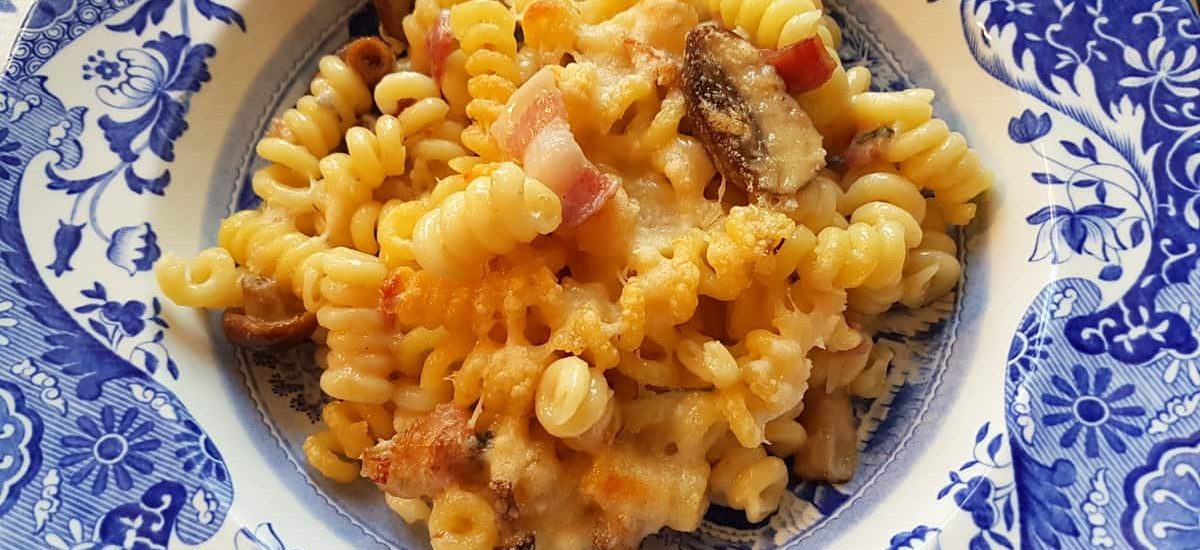
In my pasta kitchen, I use a commercial pasta extruder fitted with traditional bronze dies—the same method used for generations in Italy. Certain classic shapes, such as rigatoni, bucatini, macaroni, conchiglie, and fusilli, can only be created by applying high pressure to firm dough and pushing it through these specialized dies. For tube-shaped, ridged, or complex geometric pastas, extrusion is the truly authentic method.
Why Bronze?
Bronze dies give pasta its signature rough, porous surface—something hand-shaping simply cannot replicate. This texture acts like a sponge, allowing sauces to cling beautifully and seep into the pasta, creating a more flavorful, cohesive dish.
I carefully select my dough recipes to respect the regional traditions of Italy.
- For extruded shapes, I use the time-honored combination of Semola Rimacinata flour imported from Italy and water, just as many Italian regions do.
- For extruded shapes that are traditionally hand made, such as gnocchi, I use Semola Rimacinata flour and finely milled tipo 00 flour and occasionally ricotta or potato, depending on the regional style.
- For hand-rolled pasta—such as lasagna, I turn to finely milled tipo 00 flour combined with eggs.
Italy’s diverse regions each celebrate their own pasta shapes, influenced by local ingredients and long-standing techniques. I offer over 40 traditional styles, all crafted with recipes and methods that closely reflect the authentic practices found throughout Italy.